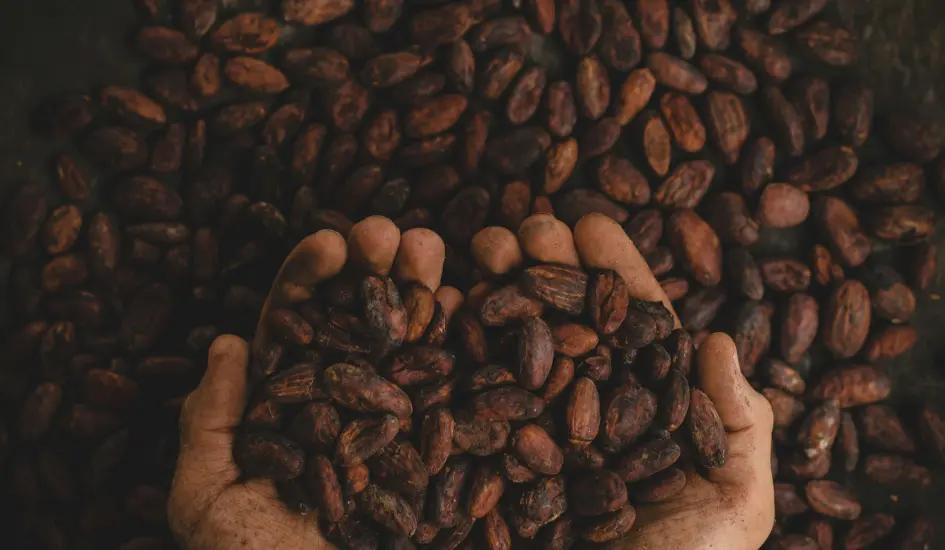
☕ Coffee Investing 101
Coffee is the second most traded commodity in the world, after crude oil. If you are thinking about investing in Coffee, this quick guide is for you.
1. Global Production
Coffee is grown in the so-called "Bean Belt" - tropical regions between the Tropic of Cancer and the Tropic of Capricorn.
The two major commercial species are Arabica (Coffea arabica) and Robusta (Coffea canephora). Arabica makes up about 60% of global production and is considered higher quality. Robusta is cheaper, stronger, and often used in instant coffee.
The top producers globally include:
- Brazil 🇧🇷 The world’s largest coffee producer, mostly Arabica. Coffee from Brazil sets the benchmark for global pricing.
- Vietnam 🇻🇳 The leading Robusta producer, with a hyper-efficient coffee industry focused on volume.
- Colombia 🇨🇴 Known for its high-altitude Arabica beans and relentless coffee branding.
- Indonesia 🇮🇩 Grows both Arabica and Robusta, including the famous (and overpriced) civet coffee.
- Ethiopia 🇪🇹 The birthplace of coffee. Produces diverse Arabica varieties with strong cultural and economic importance.
Other notable producers include Honduras 🇭🇳, India 🇮🇳, Uganda 🇺🇬 (Robusta-heavy), and Peru 🇵🇪. Together, these countries form the backbone of the global coffee trade, with economies often heavily dependent on exports.
2. Global Consumption
Coffee consumption is dominated by wealthy nations - but demand is growing fast in emerging markets.
The largest per capita coffee drinkers are in Europe: Finland 🇫🇮, Sweden 🇸🇪, Norway 🇳🇴, and the Netherlands 🇳🇱 regularly top the charts, with average citizens consuming 3-4 cups per day. In these countries, coffee is less a drink and more a legal lifestyle.
The United States 🇺🇸 is the largest single-country consumer of coffee by total volume. Americans drink over 400 million cups of coffee per day, mostly while complaining about being tired.
Consumption is rising sharply in emerging markets like China 🇨🇳, India 🇮🇳, South Korea 🇰🇷, and Turkey 🇹🇷 - driven by urbanization, rising incomes, and Western-style cafe culture. China 🇨🇳, in particular, has seen double-digit annual growth in coffee demand despite historically being a tea-drinking nation.
Producing nations are also drinking more of their own beans. Brazil 🇧🇷, Ethiopia 🇪🇹, and Vietnam 🇻🇳 all show rising domestic consumption as middle-class populations grow and local coffee culture evolves.
Globally, coffee demand continues to climb - fueled by population growth and changing tastes.
3. Use Cases
Coffee isn't just something people drink. It has a wide range of industrial, culinary, cultural, and economic uses.
The primary use is, of course, consumption. Brewed coffee is consumed hot or cold in virtually every country, with the highest volumes in the United States 🇺🇸, European Union 🇪🇺 nations, and increasingly, in China 🇨🇳 and South Korea 🇰🇷. Espresso-based drinks like cappuccinos, lattes, and flat whites dominate urban cafes, while instant coffee rules in markets like India 🇮🇳, Russia 🇷🇺, and much of Southeast Asia.
In the food industry, coffee is a key ingredient in desserts (like tiramisu), energy snacks, ice creams, and ready-to-drink beverages. Major global brands use coffee extracts and flavors in everything from breakfast cereals to protein shakes.
In cosmetics and skincare, coffee grounds and caffeine extracts are used in exfoliants, anti-aging creams, and "cellulite reduction" products that almost certainly do nothing but smell nice.
Coffee grounds are also being recycled as biofuel, compost, and even construction materials. Startups in countries like Finland 🇫🇮 and the United Kingdom 🇬🇧 are developing coffee-based alternatives to plastics and leather.
Institutional demand comes from restaurants, hotels, airlines, offices, and vending machine operators.
And finally, coffee plays a significant cultural role in many societies - from the Japanese 🇯🇵 canned coffee obsession, to the Italian 🇮🇹 espresso ritual, to the Ethiopian 🇪🇹 coffee ceremony, which turns a drink into a social event and spiritual practice.
4. Environmental Footprint
1. Deforestation is common in coffee-growing regions, especially when producers clear native forests to expand plantations, reducing biodiversity and accelerating climate change.
2. Soil degradation from monoculture farming exhausts nutrients and reduces long-term fertility, requiring more chemical inputs to maintain yields.
3. Agrochemical runoff from fertilizers, herbicides, and pesticides pollutes nearby water sources, harming aquatic ecosystems and local communities.
4. Water usage in coffee processing, particularly wet milling, can be excessive and often leads to contaminated wastewater if untreated.
5. Carbon emissions are significant across the coffee supply chain - from farming and processing to packaging and global shipping.
6. Habitat loss affects species like migratory birds that depend on shaded coffee farms; sun-grown coffee often replaces ecologically rich shade systems.
7. Waste generation from discarded coffee pulp, husks, and single-use packaging contributes to environmental strain at both production and consumer ends.
8. Chemical exposure puts farmers and laborers at risk, especially in regions where banned or restricted pesticides are still in use.
9. Climate vulnerability means coffee farms may move into previously undisturbed highland ecosystems, spreading environmental damage uphill.
10. Lack of regulation and enforcement in producing countries often allows unsustainable practices to continue unchecked.
5. Future of the Coffee Trade
The global coffee trade is heading into uncertain territory, caught between rising demand, climate instability, labor challenges, and biotech experimentation.
Climate change is the most serious long-term threat. Rising temperatures and shifting rainfall patterns are reducing the areas suitable for growing Arabica beans, especially in countries like Colombia 🇨🇴 and Ethiopia 🇪🇹. While higher altitudes may offer temporary relief, expanding into these regions often leads to deforestation and biodiversity loss.
Robusta coffee, which is more heat-tolerant and disease-resistant, may gain market share as Arabica becomes harder to grow. Vietnam 🇻🇳 and Uganda 🇺🇬 are positioned to expand production, but Robusta’s lower quality means a decline in taste for specialty markets.
Genetically modified coffee and lab-grown alternatives are under development. Companies in the United States 🇺🇸, Japan 🇯🇵, and Finland 🇫🇮 are experimenting with climate-resilient strains and synthetic brewing options. However, consumer resistance to GMOs, especially in Europe 🇪🇺, remains a major barrier.
Fair trade and ethical sourcing models are gaining traction, with certification systems aiming to improve wages, working conditions, and environmental practices. These still represent a small share of total global trade but are growing in visibility and consumer preference.
Automation and AI are starting to reshape coffee harvesting and logistics. In Brazil 🇧🇷, labor shortages and rising costs have accelerated investment in robotic pickers and data-driven farm management tools.
Volatility and risk will continue to define the future of coffee. Geopolitical instability, export bans, supply chain breakdowns, and currency fluctuations all contribute to unpredictable pricing and fragile trade flows.
6. Investing in Coffee
Coffee is a globally traded commodity, and investors can gain exposure to its price movements without ever touching a bean. Coffee is actively traded on major futures exchanges and has well-established financial instruments tied to it.
1. Coffee Futures are traded on ICE Futures US for Arabica and on the ICE Futures Europe for Robusta. These contracts are standardized and used by both speculators and commercial buyers. Futures trading is high-risk and requires knowledge of margin, volatility, and contract expiry.
2. Coffee ETFs like the WisdomTree Coffee (COFF), which tracks Bloomberg Coffee Subindex futures. It allows retail investors to speculate on coffee prices without trading futures directly.
3. Equities and Public Companies offer a more stable entry point. Investors can buy shares in companies like Starbucks 🇺🇸 (SBUX), Nestlé 🇨🇭 (owns Nescafé), Keurig Dr Pepper 🇺🇸, or JDE Peet's 🇳🇱. These firms are influenced by coffee prices but also by broader business performance and brand strength.
4. Agricultural Funds and commodity-focused mutual funds sometimes include coffee exposure as part of a diversified portfolio of soft commodities, alongside sugar, cocoa, and cotton.
5. Private Investment and Vertical Integration is common among major players who own plantations, processing facilities, and distribution networks. This "seed to cup" model reduces volatility but requires significant capital and long-term commitments.
Price Action Tokens
You can get exposure to Coffee price action through Price Action Tokens by Sara AI. These are synthetic instruments that replicate the price movements of commodities (like Coffee) without requiring physical ownership or storage.
7. What drives Coffee prices
7.1 Supply-side drivers
1. Weather events like frosts, droughts, and hurricanes can devastate coffee crops, especially in Brazil and Central America.
2. Climate change is shifting viable growing zones and increasing unpredictability in rainfall and temperatures.
3. Plant diseases such as Coffee Leaf Rust (Hemileia vastatrix) and Coffee Berry Disease reduce yields and can wipe out entire farms.
4. Input costs including fertilizer, labor, fuel, and agrochemicals directly affect production expenses and margins.
5. Labor disruptions like strikes, protests, or labor shortages can reduce harvest capacity and delay exports.
6. Land use and deforestation - expansion into forested areas may temporarily boost supply but leads to long-term environmental damage.
7. Export logistics such as container shortages, port delays, or infrastructure failures disrupt the supply chain and delivery timelines.
8. Government policies including subsidies, export taxes, pesticide restrictions, or land reforms can alter production incentives or capacities.
9. Currency fluctuations in exporting countries affect producer margins and global price competitiveness.
10. Market concentration where a few multinational buyers control large parts of the supply chain, affecting farmer bargaining power and pricing.
7.2 Demand-side drivers
1. Global consumption trends are steadily increasing, especially in emerging markets like China and India.
2. Income levels influence coffee demand - higher disposable income leads to greater consumption of premium and specialty blends.
3. Urbanization increases access to coffee shops, supermarkets, and ready-to-drink options, especially in developing countries.
4. Health trends such as plant-based diets and caffeine-friendly wellness narratives can boost demand; anti-caffeine or anti-acid trends may reduce it.
5. Substitution effects from tea, energy drinks, or locally grown beverages can shift consumption patterns.
6. Population growth in major consuming regions raises the baseline demand for coffee products over time.
7. Retail pricing strategies like discounts, loyalty programs, or premiumization can increase or suppress short-term demand.
8. Consumer preferences are shifting toward ethically sourced, organic, or single-origin coffees, which can affect overall demand for certain suppliers.
9. Cultural and lifestyle shifts including the rise of remote work, cafe culture, and at-home brewing trends reshape when and how people drink coffee.
10. Food industry usage in desserts, energy products, and ready-to-drink beverages drives steady commercial demand outside traditional brewing.
7.3 X-factors & chaos variables
1. Geopolitical instability such as coups, civil unrest, or sanctions in coffee-producing nations can disrupt supply and trigger sudden price shocks.
2. Global shipping disruptions including port congestion, container shortages, or chokepoint closures like the Suez or Panama Canal can delay exports and inflate costs.
3. Speculation and financial market volatility can cause price swings based on macroeconomic fears, currency shifts, or commodity investment flows unrelated to actual coffee supply or demand.
4. Pandemics and health crises reduce labor availability, close cafes, and shift consumption patterns - seen clearly during COVID-19 lockdowns.
5. Viral consumer trends like TikTok coffee fads (whipped coffee, mushroom lattes, etc.) can cause sudden, localized demand spikes or supply chain pressure.
6. Technological disruption from agri-biotech, AI-driven logistics, or lab-grown coffee alternatives could reshape production, pricing, and long-term viability of traditional beans.
7. Environmental disasters such as volcanic eruptions, landslides, floods, or earthquakes in key growing regions can immediately reduce global supply and spike prices.
8. International trade policy shifts including tariffs, trade agreements, or import restrictions can rapidly alter export flows and market access.
9. Corporate scandals or consumer boycotts tied to labor abuses, deforestation, or unethical sourcing can damage brand value and reduce demand for certain suppliers.
10. Synthetic financial products such as tokenized coffee contracts or commodity-linked digital assets could introduce speculative volatility and distort pricing signals.
Start your commodity investing journey with the free Commodities Investing 101 course by Rohas Nagpal.